
Rugby Try Scorer Betting: Expert Guide to Player Betting Markets

 Available in US
Understanding Try Scorer Markets
Try scorer betting transforms rugby from a team sport into an individual performance prediction game. Instead of picking which team wins, you’re pinpointing which specific player crosses the try line. This market draws casual bettors because it feels simple just pick a guy who looks fast, right? Wrong. Try scorer betting rewards deeper analysis than almost any other rugby market, which is exactly why profitable opportunities exist for those who understand what they’re doing.
The most popular variant is first try scorer betting, where you predict which player scores the opening try of the match. Odds typically range from 5.00 to 12.00 for wingers and backs, extending to 15.00 to 30.00 for forwards. These inflated odds attract action because hitting a 10.00 shot feels amazing, but the math works against you unless you’re identifying genuine edge over the bookmaker’s assessment.
Anytime try scorer betting offers the simpler proposition your selected player scores at any point during the 80 minutes. This substantially easier target means lower odds, typically 2.00 to 4.00 for wingers, but your hit rate increases dramatically. The trade-off between first try scorer’s thrill and anytime’s consistency defines how you approach these markets based on risk tolerance and bankroll management philosophy.

Last try scorer betting is the wild west of try scorer markets. Which player scores the final try depends entirely on game script and match situation. Is the result decided with teams running out the clock using substitutes? Is a team desperately chasing points and throwing everything forward? These scenarios produce completely different try scoring patterns, making last try prediction nearly random unless you’re betting live and can assess actual game state.
Multiple try scorer bets escalate difficulty and payout accordingly. Backing a player to score two or more tries, or the rare hat-trick of three-plus, creates odds that can reach 20.00 to 50.00. These longshots hit occasionally when a winger has an absolute field day or circumstances align perfectly, but they’re fundamentally low-probability bets that should constitute minimal bankroll allocation unless specific matchup analysis suggests unusual opportunity.
The market mechanics favor bookmakers significantly in try scorer betting because the number of possible outcomes is massive. A match features 30 players who could potentially score, plus the “no try scorer” option in some markets, creating 30-plus distinct outcomes. This fragmentation means bookmakers build in larger margins than binary markets like match winner, sometimes 15-20 percent overround compared to 4-6 percent on major match bets.
Understanding this structural disadvantage doesn’t mean avoiding try scorer markets entirely. It means recognizing you need stronger edges to overcome the built-in margin. Casual analysis won’t cut it. You need positional knowledge, team tactical understanding, historical scoring patterns, and matchup-specific insights that sharpen your probability assessment beyond what the odds already reflect.
Positional Analysis for Try Scoring
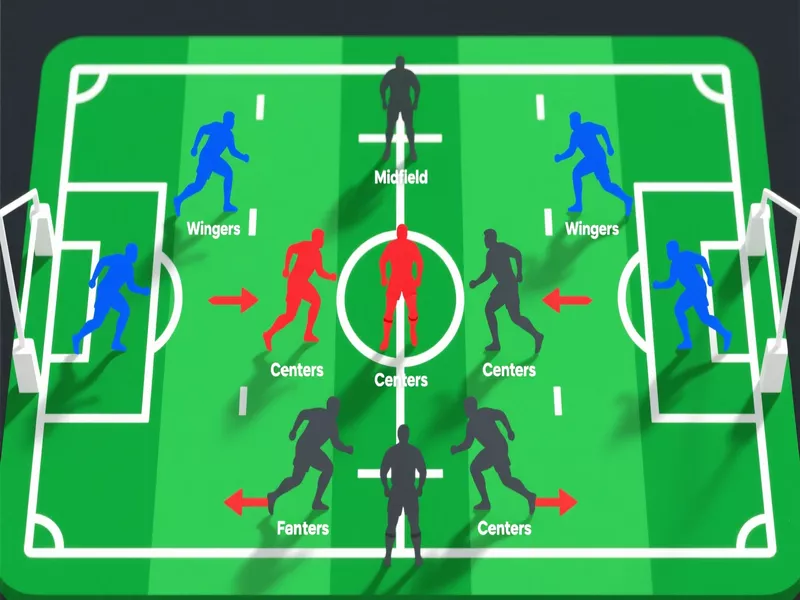
Wingers are the strikers of rugby, positioned specifically to finish attacking moves. Approximately 70 percent of tries in professional rugby come from wingers because that’s where attacking plays culminate. Teams work the ball through multiple phases, shift it wide, and the winger receives the final pass with space to run. This statistical dominance makes wingers the default first choice in try scorer betting, but that doesn’t mean they’re always offering value.
Bookmakers price wingers as favorites precisely because everyone knows this 70 percent statistic. A quality winger might be priced at 6.00 for first try scorer, implying roughly 16 percent probability, but if 20 percent of tries actually come from that specific winger, then value exists. The trick is distinguishing between generic “wingers score a lot” knowledge that’s already priced in, and specific winger advantages in particular matchups that bookmakers haven’t fully captured.
Wing selection matters enormously too. Not all wingers are created equal in try-scoring probability. Some teams utilize one wing more than the other due to tactical setups. Right wing might see 60 percent of wide attacking plays while left wing gets neglected. Tracking which wing a team favors, and whether the player wearing that jersey is the regular starter or a replacement, creates edges bookmakers sometimes miss in their generic positional pricing.
Centers occupy the middle ground in try scoring probability and odds. They’re involved in attacks constantly, receive the ball frequently, but often act as distributors rather than finishers. When centers score, it’s typically through individual brilliance breaking tackles, finding gaps, or supporting at exactly the right moment. This unpredictability makes center try scoring harder to project, but certain centers with track records of finishing opportunities offer value when bookmakers price them purely on position rather than individual tendency.
Outside centers specifically tend to score more than inside centers because they’re positioned closer to the tryline during attacking phases. When space opens up, outside centers are more likely to receive the ball in scoring positions. This subtle positional distinction gets missed by casual bettors who lump all centers together, creating pricing inefficiencies for those tracking individual player statistics rather than generic positional averages.
Fly-halves score tries inconsistently, making them tricky propositions in try scorer markets. Their primary job involves orchestrating play rather than finishing it. But against weaker defensive opposition, fly-halves sometimes join the line and create scoring opportunities through their running threat. Ireland’s Johnny Sexton or South Africa’s Handre Pollard don’t score frequently, but when they do, it’s often worth more units than their odds suggest because bookmakers systematically underprice their occasional scoring bursts.
Fullbacks are the true wildcards. They touch the ball constantly through kick returns and sweeping behind the defensive line, but converting that possession into tries requires either outstanding individual skill or defensive breakdowns from the opposition. Fullbacks at 8.00 to 12.00 for first try scorer sometimes represent value when playing against opposition with poor chase defense or weak tactical kicking.
Forwards traditionally score fewer tries than backs because their positional responsibilities keep them in tight exchanges rather than open space. But this generalization hides important distinctions. Number eights and flankers in back row positions score substantially more than locks or props because they’re more mobile and involved in wider play. A mobile number eight like Kieran Read or Ardie Savea becomes a legitimate try-scoring threat priced more favorably than their actual probability warrants.
Close-range situations favor forwards dramatically. When a team camps on the opposition try line grinding through pick-and-go phases, forwards suddenly become the most likely scorers. This game script dependency means forward try scorer bets work best in specific matchups where you expect goal-line stands rather than free-flowing attacking rugby. South Africa against Wales, for example, often produces try-scoring patterns favoring forwards because both teams employ physical, forward-oriented strategies.
Replacement players offer fascinating value opportunities in anytime try scorer markets. When a fresh winger comes on at the 60th minute against tired defenders, his probability of scoring increases relative to starting wingers who’ve been playing for an hour. Yet bookmakers often price replacements based on their bench status rather than their actual try-scoring probability in the specific minutes they’ll play. Identifying impact substitutes who regularly score after coming on creates a repeatable edge.
Finding Value in Try Scorer Betting
Form analysis reveals which players are in hot streaks that odds haven’t fully recognized. A winger who scored in three consecutive matches might be on a confidence surge where everything clicks. His movement is sharp, teammates trust him in critical moments, and defenses haven’t adjusted to whatever’s working. Backing in-form players before bookmakers adjust their individual odds capitalizes on momentum that generic positional pricing doesn’t capture.
The opposite applies to players returning from injury or going through droughts. A star winger priced based on reputation rather than current form offers fade opportunities. Maybe he’s lost half a step of pace, or perhaps he’s not being utilized in the same attacking patterns. Bookmakers adjust slowly to individual player form changes, creating windows where odds lag reality.
Opposition defensive weakness creates try-scoring value when matched correctly with offensive strengths. If a team consistently leaks tries on their left defensive edge, backing the opposition right winger becomes more attractive than his generic odds suggest. This requires studying defensive patterns and breakdowns across multiple matches, identifying systematic weaknesses rather than one-off errors.
Teams with revolving door defensive selections or injuries to key defensive players become targets for try scorer betting on their opposition. When a team is missing their starting fullback and using an inexperienced replacement, the opposition’s attacking players who normally target the fullback’s defensive channel suddenly have easier scoring paths. These matchup advantages materialize regularly but require tracking injury reports and defensive assignment patterns.

Weather dramatically affects try-scoring patterns and value in ways bookmakers sometimes misprice. Heavy rain and strong winds favor forward try scoring near the try line through pick-and-go sequences because expansive play becomes impossible. Wingers priced as favorites in good weather see their probability drop significantly in storms, but their odds might not adjust proportionally. Meanwhile, forward odds lengthen slightly rather than contracting, creating the value flip.
Perfect conditions with dry tracks enable wingers to use their speed and skill fully, making their favorite status justified. But bookmakers also overprice wingers in perfect weather because public money floods toward the obvious conclusions. Sometimes the contrarian play is backing less obvious scorers precisely when conditions seem perfect for the favorites, banking on game script variance that public betting patterns have ignored.
Tactical matchups reveal try-scoring opportunities beyond raw talent assessment. When an expansive attacking team faces a similarly open opponent, expect high try counts but distributed across multiple scorers. This environment suits anytime try scorer accumulators where you’re backing three or four players to score at some point, rather than focusing on first try scorer where probability fragments across many possibilities.
Conversely, when defensive-minded teams clash, the rare tries that occur often come from specific patterns forward drives, penalty advantages near the line, or individual brilliance breaking deadlock. These low-scoring matches concentrate try-scoring probability among fewer players, making first try scorer bets on the most likely candidates more attractive than usual because you’re not fighting against eight potential scorers.
Home advantage affects try scoring subtly. Home teams score more tries on average because crowd energy fuels attacking confidence and referee decisions subtly favor home sides in 50-50 penalty calls that create try-scoring opportunities. This home scoring advantage means backing home team try scorers at marginally lower odds than their away equivalents can be justified statistically.
Tournament context matters for try-scoring patterns. In pool stages of World Cups or early Six Nations rounds, teams approach matches feeling out opposition and playing conservatively. Try counts are lower and distributed differently than tournament latter stages where desperation or bonus point chasing creates more open play. Adjusting try scorer betting strategy based on tournament phase and what teams need from matches creates timing edges.
Advanced Try Scorer Strategies

Multiple player staking transforms try scorer betting from single longshots into systematic probability plays. Instead of betting one winger at 7.00 hoping he scores first, you bet three players at smaller stakes, creating multiple paths to profit. If any of your three players scores first, you profit. This approach trades maximum upside for improved hit rate, which suits bankroll preservation better than swinging for fences on individual longshots.
The math requires careful calculation though. Backing four players at 7.00 costs four units total with each paying seven units if successful. Your break-even point is hitting approximately once every four attempts, but you also need to account for bookmaker margin meaning true probability is worse than the odds suggest. Successful multiple player staking requires identifying at least one player offering genuine value, not just backing the four obvious favorites.
Each-way betting on try scorers offers cushion for near-misses when bookmakers provide the option. Each-way terms might pay one-third odds if your selection scores anytime even if they don’t score first. A player at 9.00 for first try scorer becomes 3.00 for anytime under those terms. Your stake splits equally between first try scorer and the each-way component. This dramatically reduces variance because you profit substantially if your player scores first, and you still profit if they score any try, with only complete blanks producing losses.
Not all bookmakers offer each-way terms on try scorers, and those that do vary in their generosity. Some offer one-third odds for the place component, others offer one-quarter. Some include two or three places, meaning second and third try scorers also count. Shopping for bookmakers with the best each-way terms on try scorers adds percentage points to your expected return on this specific market.
Combining try scorer bets with team handicaps creates interesting correlation opportunities. If you’re backing a heavy favorite to cover a large handicap, adding anytime try scorers from that favorite’s roster creates logical stacking. For the favorite to cover -30 points, they’ll need to score multiple tries, meaning their players have elevated try-scoring probability compared to neutral match scripts. This correlation works in your favor when structuring bets across related outcomes.
The inverse correlation also creates hedging opportunities. If you’ve backed an underdog plus the points on a handicap, adding first try scorer bets on the favorite’s players provides natural hedge. If the favorite starts fast and scores early, you lose the handicap but profit from the try scorer bet, cushioning the loss. If the underdog keeps it close, you profit from the handicap even if you sacrifice the try scorer stake. This correlation-based position balancing improves overall portfolio return characteristics.
Live betting on try scorers during matches allows you to react to actual game flow rather than projecting pre-match. If you see a winger getting space repeatedly and the defense struggling to contain him, his anytime try scorer odds might not have adjusted appropriately yet. Similarly, if weather changes mid-match making conditions heavier, forward try-scoring probability increases while winger probability decreases. Odds update slowly sometimes, creating windows where alert bettors can capitalize.
Substitution patterns create unique try-scoring value in live markets. When a team brings on fresh legs at 60 minutes, those replacement players face tired defenders for 20 minutes. A replacement winger entering at 1.80 for anytime try scorer might represent better value than the starting winger at 1.40 who’s been playing for an hour and has already had his main opportunities. This requires knowing which replacements regularly impact matches and score tries rather than just making up numbers.
Tournament progression betting tracks which players accumulate tries across competitions, offering in-tournament top try scorer markets. These tournaments-long bets require predicting which players will score consistently rather than flash brilliance in one match. Factors include their team’s expected progress, whether they’ll play every match, and their historical scoring rates. Betting these early in tournaments at longer odds before favorites emerge creates value if your analysis proves correct.
Team Style and Try Scoring Patterns
Expansive attacking teams that play high-tempo, ball-in-hand rugby distribute tries across multiple players. New Zealand typically operates this way, with their fluid structure meaning any back could score on any given match. This distribution pattern makes first try scorer betting challenging because probability fragments across eight potential scorers. Anytime try scorer accumulators work better for these teams because you’re banking on collective scoring rather than individual dominance.
The numbers back this up statistically. When New Zealand scores four tries in a match, those tries often come from four different players rather than one player scoring multiple times. This even distribution reflects their system where space is exploited by whoever finds themselves in position, rather than funneling the ball to specific finishers. Betting approaches must adapt to this reality rather than forcing favorite selection strategies that work for other teams.
Forward-oriented teams that grind through tight exchanges produce completely different try-scoring patterns. South Africa’s traditional approach emphasizes forward dominance, territorial kicking, and pressure near the try line. When they score, it’s often forwards picking-and-going from close range or penalty advantages converted to tries through driving mauls. This concentration of try-scoring probability among fewer players, specifically forwards, makes first try scorer betting on those forwards more attractive.
England under certain coaching regimes has employed similar forward-dominant strategies. Betting on their props, hookers, or back-row forwards for first try scorer at 12.00 to 20.00 offers value when the matchup suggests goal-line battles rather than wide open rugby. These bets require confidence in game script prediction, but when correct, they pay substantially better than backing wingers at 6.00 who won’t see the ball in try-scoring positions.
Kicking-focused teams that play territory and field position create try-scoring patterns favoring fullbacks and opportunistic counter-attackers. When teams kick constantly, the opposition fullback receives the ball frequently on returns, creating try-scoring opportunities through counter-attack. New Zealand’s counter-attacking prowess makes their fullback a legitimate first try scorer option against kicking-heavy opponents at odds that don’t fully reflect this tactical dynamic.
Wales under Warren Gatland demonstrated this perfectly. Their kicking strategy pinned opposition deep, then they scored tries off turnovers and defensive errors. This meant their tries often came from intercepted passes, charged-down kicks, or defensive breakdowns rather than structured phase play. These opportunistic tries favor any player in the right place at the right time, making try scorer prediction nearly random and suggesting avoiding first try scorer bets entirely for these matchups.
Home venue patterns reveal which teams score tries differently depending on location. Some teams play conservatively away from home, making away matches low try-count affairs where forward try scoring dominates. The same teams at home with crowd support attack expansively, distributing tries across their backline. Tracking home versus away try-scoring patterns for specific teams helps select appropriate try scorer betting strategies based on venue.
Ireland’s home matches at Aviva Stadium historically produce more backline tries than their away matches where they tighten their game plan. This home-away split in playing style means backing Irish wingers makes more sense in Dublin than in Paris or London where they’ll employ more conservative structures. These subtle team-specific patterns compound over multiple bets, creating meaningful edge accumulation.
Union vs League Try Scorer Differences
Try-scoring frequency differs dramatically between codes, affecting betting strategy fundamentally. Rugby league’s six-tackle structure produces more consistent scoring patterns because teams have set opportunities every possession. Rugby union’s unlimited tackles mean some teams score rapidly while others grind for long periods without crossing the line. This variance creates different risk-reward calculations for try scorer betting across codes.
League matches between competitive sides typically see 6-10 tries scored combined. Union matches might see two tries or eight depending entirely on playing styles and conditions. This predictability in league makes anytime try scorer betting more reliable because you’re confident scoring will happen. Union’s variance means backing anytime try scorers in matches that might only see two total tries is inherently riskier.
Positional try-scoring patterns diverge significantly. In rugby league, the structured attack patterns mean centers and second-rowers score more frequently relative to wingers than in union. League’s block plays and offload culture create try-scoring opportunities for players closer to the ruck, whereas union sends the ball wide more consistently to wingers positioned for finishing.
The numbers are stark. In rugby league, wingers might account for 50 percent of tries compared to union’s 70 percent, with the difference distributed among forwards and centers. This means league try scorer betting requires different positional emphasis, with centers and mobile forwards offering better value relative to their odds than union equivalents.
Defensive structures also differ. Rugby league’s six-tackle rule forces defenses to reset constantly, creating fresh defensive lines every set. Union’s phase play compresses defenses over multiple phases, then suddenly stretches them when the ball goes wide. These defensive structures affect which positions find space to score. Union wingers exploit sudden width, while league centers exploit gaps in resetting defenses.
Scoring value differs between codes too, though both award five points for tries in union and four in league. But the psychological value of tries versus penalties differs. Union teams sometimes play for three-point penalties over five-point try attempts when field position dictates. League teams almost always prioritize tries because two-point penalties offer poor value. This affects overall try counts and therefore cumulative try scorer probability.
Weather impacts try scoring differently across codes. Union in heavy rain produces dramatically fewer tries because the unlimited tackle rule means more handling required per scoring opportunity. League’s six tackles per possession means less cumulative handling risk per set, so try counts decrease less severely in wet conditions. This means weather should affect union try scorer betting more aggressively than league betting.
Substitution patterns create different try-scoring opportunities. Union allows eight replacements who often enter late in matches, creating fresh-legs-versus-tired-defenders scenarios. League’s interchange system allows players to cycle in and out multiple times, meaning “replacements” might play 40-50 minutes total rather than just the final 20. This affects how you value replacement player try-scoring probability across codes.
Market liquidity and bookmaker attention differ significantly. Rugby union’s global popularity means sharper try scorer odds because more money flows through those markets. League markets, especially outside NRL and Super League, see less professional betting action, creating larger margins but also occasional mispricings that diligent analysis exploits. The trade-off is between tighter odds but higher liquidity in union versus looser odds but potential inefficiencies in league.
Common Mistakes in Try Scorer Betting

Betting favorites blindly destroys profitability in try scorer markets faster than any other error. Casual bettors see the team favorite and back their most famous winger at 6.00 because “he’s the best player and they’ll win big.” This logic ignores that bookmakers already priced that exact reasoning into the odds. Unless your analysis identifies why this specific favorite winger has better probability than his odds suggest, you’re just donating money to bookmakers through their built-in margin.
The math is brutal. If bookmakers price eight potential first try scorers with combined implied probability of 115 percent, that 15 percent overround gets distributed across all outcomes. Backing the favorite at 6.00 means you need him scoring first more than 17 percent of the time just to break even, but your actual probability might only be 14 percent after accounting for all possibilities. This negative expected value compounds over repeated bets.
Ignoring game script context leads to backing players in matches where try-scoring patterns don’t favor their position. Betting a winger for first try scorer in a forward-dominated grinding match wastes money because the try, if it comes, will probably result from a forward pick-and-go near the line. Reading pre-match analysis about expected playing styles and weather conditions prevents these mismatches between player type and probable try-scoring method.
Historical try-scoring rates provide guidance here. If a player averages 0.3 tries per match but has never scored first try in their last 20 matches, their anytime try scorer odds might be reasonable but their first try scorer odds offer poor value. Distinguishing between players who score frequently versus players who score first specifically requires reviewing actual try-timing data rather than just cumulative scoring statistics.
Chasing longshots for entertainment rather than value is gambling not betting. Yes, hitting a forward at 25.00 for first try scorer feels incredible, but if his true probability is 2 percent and the odds imply 4 percent, you’re systematically losing money for occasional dopamine hits. Entertainment gambling is fine if that’s the goal and you’re using entertainment budget, but don’t confuse it with profitable betting strategy.
The longshot bias in try scorer betting is particularly dangerous because humans naturally overweight small probabilities. A 25.00 shot feels more than five times as likely as a 125.00 shot even though mathematically it should. Bookmakers exploit this bias by offering slightly worse odds on longshots knowing bettors will take them anyway for the thrill. Recognizing when you’re betting for fun versus edge keeps bankroll management disciplined.
Overlooking replacement players and squad rotation eliminates a consistent value source. When star wingers get rested and replacements start matches at similar odds to their normal prices, the replacement’s probability decreases because they’re less skilled. But when quality replacement wingers start and are priced as “replacements” despite being nearly as good as the starter, value exists. Following team news and understanding squad depth separates bettors who find these edges from those who don’t.
Late lineup changes particularly create opportunities. If a star winger is ruled out 30 minutes before kickoff, his replacement inherits his role but often at notably longer odds because bookmakers haven’t adjusted fully or bettors haven’t noticed. Being plugged into team news sources and able to bet quickly when these situations arise produces repeatable edges.
Betting try scorers without watching rugby is like betting blindfolded. You need visual pattern recognition to understand how teams create space, which players receive the ball in dangerous positions, and who has the skills to convert half-chances into tries. Statistical analysis helps, but the eye test remains irreplaceable for try scorer betting. Watching matches develops intuition about try-scoring patterns that no spreadsheet fully captures.
The watching requirement creates selection bias toward televised matches, which is fine. Betting try scorers in matches you haven’t seen is guessing dressed up as analysis. Stick to competitions and teams you watch regularly, building deep knowledge rather than spreading shallow analysis across dozens of teams. Specialization in try scorer betting outperforms generalization dramatically.
